
Dental Implants Reconsidered: Titanium or Zirconia?
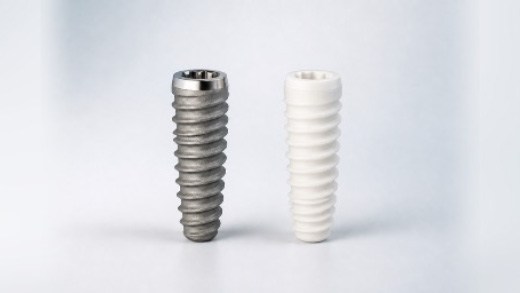
Dental implants replace missing teeth both functionally and aesthetically and provide a stable foundation for crowns, bridges or implant-supported restorations.
Modern implant dentistry offers different materials. Titanium has been successfully used for decades and remains the established standard due to its stability and extensive long-term clinical experience.
Zirconia implants made from high-performance ceramic provide an additional option. Their light, tooth-like colour can be particularly beneficial in visible areas and in patients with thin gum tissue. They may also be of interest to patients who prefer a ceramic restoration.
At Praxis am Fronwagplatz, we offer both titanium implants and modern ceramic implants. The most suitable material depends on the individual situation, functional requirements, aesthetic considerations and personal preferences.
The key question is therefore not: “Which implant is the best?” – but: “Which implant is best suited to you?”
We would be pleased to advise you personally on the different treatment options available.
Download the full report as a PDF
SRF live chat on dental costs and tax deductions

In the SRF live chat on 8 March 2014, Stefan Stauffiger, a qualified tax expert, answered the following question, among others:
"The fact that you can also deduct the costs for the dentist was news to me. Does this only apply to major procedures or also to the annual check-up including dental hygiene? I'm starting major treatment after Easter and will be getting two implants, which will probably be quite expensive."
Stefan Stauffiger:
"All necessary healthcare costs are deductible. This also includes regular check-ups. The amount of the individual costs is irrelevant. Please note, however, that you must pay the first 5% of your taxable net income yourself. The health costs you pay yourself must therefore exceed a certain amount. For example, if you have a net taxable income of CHF 50,000, you must pay the first CHF 2,500 yourself. Only if the cumulative healthcare costs are higher than CHF 2,500 can the excess be deducted."